
Brazil kit history: The evolution of Brazil’s iconic football jerseys
The history of Brazil's football kits is one of the most fascinating stories in world football. From simple white shirts in the early twentieth century to the iconic yellow and green uniforms recognized across the globe. The Brazil national team has not only won multiple FIFA World Cups but has also created some of the most memorable football kits ever worn. Join fscores.net as we explore the kit that reflects the football culture, national identity, and sporting success of Brazil.
Brazil kit history: The evolution of Brazil's iconic football jerseys
The early years of Brazil kits
When the Brazil national football team played its first official matches in the early 1900s, the players wore white shirts with blue collars. This design remained Brazil’s primary kit for several decades. At the time, white was considered a neutral and elegant color that represented peace and unity.
However, the white kit later became associated with heartbreak after Brazil's devastating defeat to Uruguay in the 1950 FIFA World Cup final, famously known as the ''Maracanazo''. The match took place at the Maracana Stadium in Rio de Janeiro, where nearly 200,000 fans watched Brazil lose 2-1 in one of football’s greatest upsets.
The defeat had a massive emotional impact on the country, and many people believed the white kit symbolized bad luck. As a result, Brazil decided to redesign its national football uniform entirely.
The birth of the famous yellow Jersey
In 1953, a national competition was launched to create a new Brazil kit that included all the colors of the Brazilian flag: yellow, green, blue, and white. A young newspaper illustrator named Aldyr Garcia Schlee won the contest with the design that would become legendary.
The new kit featured a bright yellow shirt with green trim, blue shorts, and white socks. This combination soon became one of the most recognizable football uniforms in history. The yellow jersey earned the nickname ''Canarinho'', which means little canary, due to its vivid yellow color.
Brazil first wore the new kit during the 1954 FIFA World Cup. Although they did not win the tournament, the jersey quickly gained popularity among fans.
The golden era of Brazil football kits
The Brazil kit became truly iconic during the late 1950s and 1970s, an era often considered the golden age of Brazilian football. Led by legendary players such as Pele, Garrincha, Jairzinho, and Carlos Alberto, Brazil won multiple World Cups while wearing the famous yellow jersey.
The 1958 FIFA World Cup in Sweden marked Brazil's first world title. Pele, only 17 years old at the time, helped introduce Brazilian football to the world stage. The yellow shirt became a symbol of creativity, skill, and attacking football.
Brazil repeated its success in 1962 and then produced one of the greatest football teams ever assembled at the 1970 FIFA World Cup in Mexico. The 1970 Brazil kit remains one of the most celebrated football jerseys of all time. Featuring a simple but elegant design, the uniform became forever linked to Pele lifting the World Cup trophy.
During this period, Brazil kits represented more than football. They symbolized joy, artistry, and national pride.

Changes and modernization in the 1980s and 1990s
As football fashion evolved, Brazil's kits also changed. During the 1980s, manufacturers introduced new materials, patterns, and design details. The kits became lighter and more comfortable for players.
One of the most beloved versions from this era was the 1982 Brazil kit. Worn by stars such as Zico, Socrates, and Falcao, the jersey featured a classic yellow design with green trim and remains a fan favorite despite Brazil not winning the World Cup that year.
In the 1990s, sportswear brands began adding more creative elements to football jerseys. Brazil's 1994 World Cup-winning kit included subtle geometric patterns and modern styling. Led by Romario and Bebeto, Brazil secured its fourth World Cup title in the United States.
The 1998 and 2002 kits also became highly popular. The 2002 jersey, worn by Ronaldo, Rivaldo, and Ronaldinho, is especially memorable because Brazil won its fifth World Cup in South Korea and Japan.

Brazil kits in the modern era
Modern Brazil kits combine tradition with innovation. While the classic yellow shirt and blue shorts remain central to the design, manufacturers continuously update the jerseys with advanced fabric technology and contemporary styling.
Today's Brazil kits are designed for performance, comfort, and global marketing appeal. They are worn not only by professional footballers but also by millions of fans around the world.
Special edition kits and anniversary collections have also become popular. Some designs pay tribute to historic teams, while others introduce bold new looks inspired by Brazilian culture and street fashion.
Despite occasional debates among supporters about design changes, the traditional yellow and green identity remains untouchable. The Brazil jersey continues to represent excellence in football.
The cultural impact of Brazil football Jerseys
Few football kits have achieved the global recognition of the Brazil jersey. The yellow shirt is associated with legendary players, unforgettable matches, and beautiful football.
Fans across continents wear Brazil kits even if they are not Brazilian. The jersey has become a fashion statement as well as a symbol of football passion. From amateur pitches to major cities worldwide, the Brazil shirt remains instantly recognizable.
The influence of Brazil's kits extends beyond sport into music, pop culture, and streetwear. Many football fans consider the Brazil jersey one of the greatest sports uniforms ever created.
The history of Brazil football kits is closely connected to the story of Brazilian football itself. From the painful memories of the white jersey era to the triumphs achieved in yellow and green, Brazil's kits have evolved into symbols of greatness and identity.
Over the decades, the Brazil jersey has represented skill, creativity, and the spirit of attacking football. Whether worn by Pele in 1970 or modern superstars today, the Brazil kit continues to inspire football fans around the world. To explore more of the latest updated football fixtures and hottest news, visit fscores.net for more information.
The Most Popular
-
 How often is the Copa America? Complete guide to South America's biggest football tournament
 -
 Who is the most famous soccer player in Brazil? The legendary icons of Brazilian football
 -
 Players who scored the most goals against Juventus: Top scorers in history
 -
 Bundesliga all time xi: The greatest players in German league history
 -
 Who is the poorest footballer? Exploring financial struggles in professional football
 -
 Who is the coach of Spain national football team? Full guide to Spain’s current manager
 -
 Footballers rejected by clubs when they were kids: From rejection to glory
 -
 Who is the best Switzerland football player? A complete analysis of Swiss football legends
 -
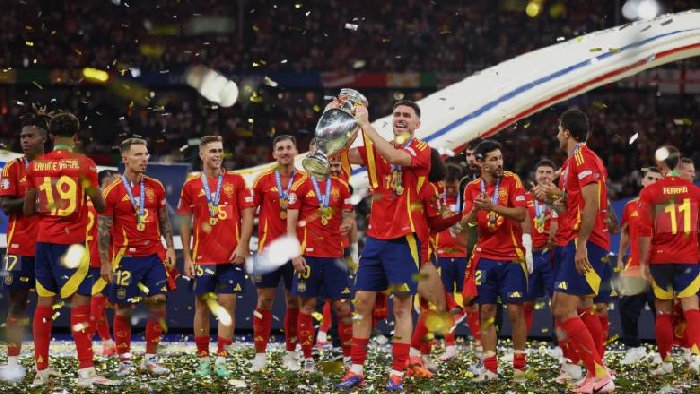 How many times has Spain won the European Cup? Full history và achievements
 -
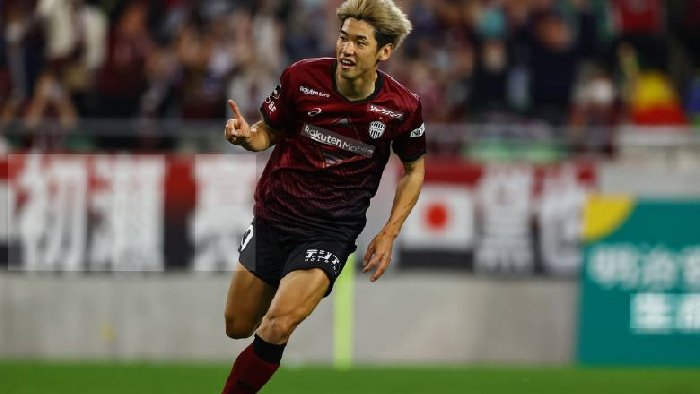 Ranking 10 J.League top scorers 2025: Full list and player analysis