
What is the MLS Leagues Cup? History, format, financial rewards, and key facts
The Leagues Cup is an annual soccer competition that brings together clubs from Major League Soccer (MLS) and Liga MX. It has quickly become one of the most exciting cross-border tournaments in North American football, showcasing top teams from the United States, Canada, and Mexico.
In this article, fscores net explores the history of the Leagues Cup, its competition format, financial rewards, and some fascinating facts you should know.
What is the MLS Leagues Cup? History, format, financial rewards, and key facts
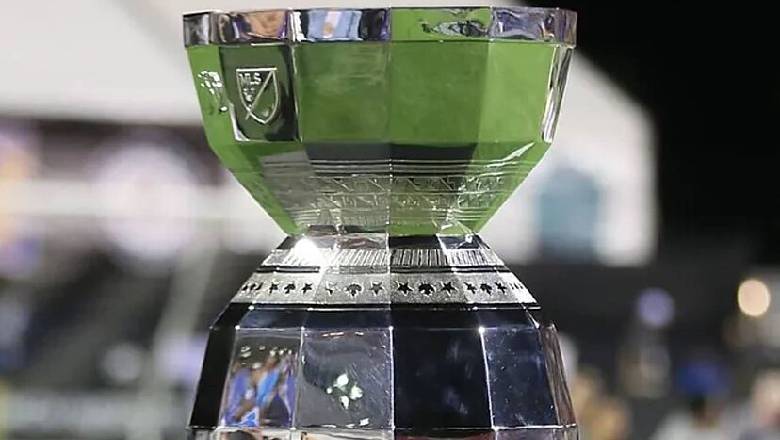
History of the Leagues Cup
The Leagues Cup was officially launched in 2019 as part of a growing partnership between MLS and Liga MX. The idea behind the tournament was to strengthen competition between the two leagues and increase the popularity of soccer across North America.
The inaugural edition in 2019 featured only eight teams, with four clubs from each league. It was seen as an experimental tournament, but its success paved the way for expansion. However, the 2020 edition was canceled due to the COVID-19 pandemic.
By 2023, the Leagues Cup underwent a major transformation. It expanded dramatically to include all teams from both MLS and Liga MX, making it a large-scale international tournament similar in structure to global competitions.
This expansion marked a turning point, turning the Leagues Cup into a key fixture in the North American soccer calendar.
Defending Champion 2025 & previous Champions
2025: Inter Miami CF (defeated Vancouver Whitecaps 3-1). This was the club's first MLS Cup title in history, with Lionel Messi being named man of the Match (MVP) for his two assists.
2024: Los Angeles Galaxy (defeated New York Red Bulls 2-1)
2023: Columbus Crew (defeated Los Angeles FC 2-1)
2022: Los Angeles FC (defeated Philadelphia Union on penalties)
Format of the Leagues Cup
The format of the Leagues Cup has evolved significantly since its early years. Today, it follows a World Cup-style structure:
1. Group stage
Teams are divided into groups.
Each team plays against others in their group.
Matches cannot end in a draw, games tied after 90 minutes go to a penalty shootout.
Teams earn points based on results, including bonus points for penalty shootout wins.
2. Knockout stage
Top teams from each group advance to the knockout rounds.
The competition follows a single-elimination format.
Rounds include the Round of 32, Round of 16, Quarterfinals, Semifinals, and Final.
3. Qualification for other competitions
One of the most important aspects is that top-performing teams qualify for the CONCACAF Champions Cup, which is the premier club competition in the region.

Financial rewards and prize money
The format of the Leagues Cup has evolved significantly since its early years. Today, it follows a World Cup-style structure:
1. Group stage
Teams are divided into groups.
Each team plays against others in their group.
Matches cannot end in a draw, games tied after 90 minutes go to a penalty shootout.
Teams earn points based on results, including bonus points for penalty shootout wins.
2. Knockout stage
Top teams from each group advance to the knockout rounds.
The competition follows a single-elimination format.
Rounds include the Round of 32, Round of 16, Quarterfinals, Semifinals, and Final.
3. Qualification for other competitions
One of the most important aspects is that top-performing teams qualify for the CONCACAF Champions Cup, which is the premier club competition in the region.
Prize
Champion team : receive approximately $2 million.
Each match: Teams receive a fixed prize money for each appearance (approximately $100,000 per match) and additional bonuses for winning.
The top 3 teams in the Leagues Cup will qualify for the CONCACAF Champions Cup
Key Facts about the Leagues Cup
Here are some interesting facts that highlight why the Leagues Cup is unique:
1. A true cross-border competition
Unlike most domestic leagues, the Leagues Cup is a fully integrated tournament between two countries, featuring clubs from the U.S, Canada, and Mexico.
2. All teams participate
Since 2023, every MLS and Liga MX team competes, making it one of the largest club tournaments in the world.
3. No draws allowed
Every match must produce a winner, which increases excitement and competitiveness for fans.
4. Mid-season tournament
The competition takes place during the MLS season, creating a unique schedule where domestic leagues pause for the tournament.
5. Growing popularity
The Leagues Cup has gained international attention, especially with the participation of global stars playing in MLS.
The Leagues Cup represents more than just a tournament, it symbolizes the growing strength of soccer in North America. By bringing together top teams from MLS and Liga MX, it raises the level of competition and provides fans with high-quality matches.
It also helps develop players, expand fan bases, and increase global visibility for both leagues.
The Leagues Cup has evolved from a small experimental competition into a major international tournament. With its exciting format, financial incentives, and cross-border appeal, it is now a key part of the North American soccer landscape.
As it continues to grow, the Leagues Cup is set to play an even bigger role in shaping the future of football in the region. The guide from fscores.net as a helpful handbook, answering the question ‘’What is the MLS Leagues Cup?’’ Don't forget to visit our site for the latest news updates.
The Most Popular
-
 How often is the Copa America? Complete guide to South America's biggest football tournament
 -
 Who is the most famous soccer player in Brazil? The legendary icons of Brazilian football
 -
 Brazil kit history: The evolution of Brazil’s iconic football jerseys
 -
 Players who scored the most goals against Juventus: Top scorers in history
 -
 Bundesliga all time xi: The greatest players in German league history
 -
 Who is the poorest footballer? Exploring financial struggles in professional football
 -
 Who is the coach of Spain national football team? Full guide to Spain’s current manager
 -
 Footballers rejected by clubs when they were kids: From rejection to glory
 -
 Who is the best Switzerland football player? A complete analysis of Swiss football legends
 -
 How many times has Spain won the European Cup? Full history và achievements